Spiritual Authors
Discover the authors behind the quotes — mystics, sages, and spiritual teachers from every tradition.
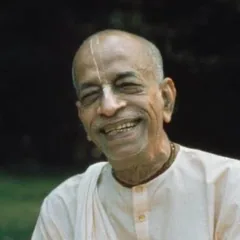
Founder of ISKCON and proponent of Hare Krishna.
A renowned spiritual leader and philosopher who established a global mission to promote the chanting of Hare Krishna and the teachings of ancient Indian scriptures. He emphasized a life centered on devotion, humility, and service, advocating bhakti-yoga as a universal path to spiritual realization. Through his translations and commentaries on texts like the Bhagavad Gita, he made the wisdom of Krishna consciousness accessible to people worldwide, inspiring a movement rooted in the practice of Hare Krishna devotion.
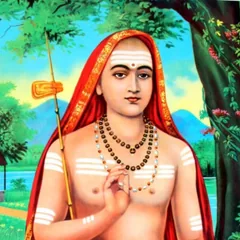
Advaita Vedanta philosopher.
An influential philosopher and theologian who consolidated the doctrine of Advaita Vedanta, a non-dualistic school of thought within Hinduism. His commentaries on the Upanishads, Bhagavad Gita, and Brahma Sutras established the foundation for Advaita Vedanta, emphasizing the oneness of the individual self (Atman) and the ultimate reality (Brahman). His teachings have had a profound impact on the development of Hindu philosophy and spirituality.
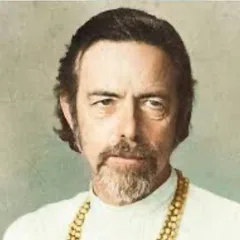
Interpreter of Eastern philosophies.
A British writer and speaker known for his interpretations of Eastern philosophy for Western audiences. His works on topics such as Zen Buddhism, Taoism, and the nature of reality have introduced many to Eastern thought. Watts explored the interconnectedness of life and the nature of consciousness, often using humor and accessible language to make complex spiritual concepts relatable. His insights into the nature of existence and the self continue to inspire and inform contemporary spirituality.
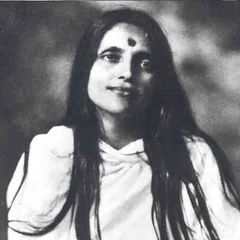
Mystic and saint known for her profound spiritual insight.
A revered Indian mystic and spiritual leader, known for profound wisdom and boundless compassion. Demonstrating extraordinary spiritual awareness from a young age, often appearing in a state of divine ecstasy. Intuitive teachings emphasized self-surrender, devotion, and the realization of one’s divine essence, transcending religious boundaries. Rather than establishing a formal doctrine, embodied spirituality through serene presence, inspiring countless devotees. Legacy promotes inner transformation and the universal pursuit of truth.
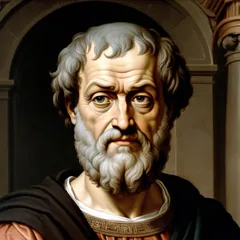
Greek philosopher.
An ancient Greek philosopher who contributed profoundly to nearly every field of knowledge, including ethics, metaphysics, politics, and science. He pioneered a systematic approach to philosophy and scientific inquiry. His works explore concepts of virtue, happiness, and rationality, laying the groundwork for Western intellectual traditions. His legacy endures in philosophy, science, and logic.
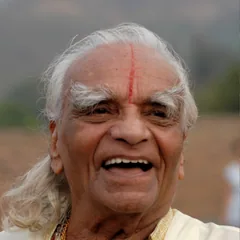
Indian yoga teacher.
An influential Indian yoga teacher, he is renowned for developing Iyengar Yoga, a style that emphasizes precision, alignment, and the use of props like blocks and straps to make yoga accessible to people of all ages and abilities. His approach stresses the importance of both the mental and physical aspects of yoga, encouraging students to develop mindfulness and discipline. Iyengar’s teachings also integrate philosophy and breath control (pranayama) with postures (asanas), contributing significantly to the global spread and understanding of yoga.
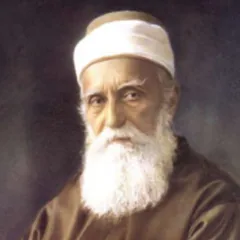
Founder of the Bahá'í Faith.
The founder of the Bahá'í Faith, he taught that all major world religions come from the same divine source and are part of an ongoing process of spiritual evolution. His teachings emphasize the unity of humanity, the oneness of God, and the importance of social justice, equality, and peace. His writings continue to inspires around the world to work towards a global community grounded in spiritual principles of unity and collective well-being.
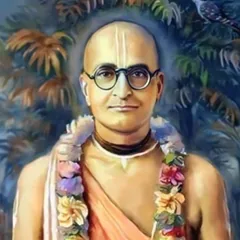
Hindu spiritual leader.
A prominent scholar and spiritual reformer in the Vaishnava tradition, he revitalized devotional practices by emphasizing scriptural study, personal discipline, and community outreach. He established numerous centers to spread his teachings and inspired a global movement. His emphasis on both intellectual rigor and heartfelt devotion continues to shape modern expressions of spiritual practice.

Zen Buddhism founder in China.
A Buddhist monk credited with transmitting Chan Buddhism to China, which later evolved into Zen Buddhism. He is also known for his contributions to the development of martial arts. Bodhidharma’s teachings focused on direct experience of truth through meditation and personal insight, bypassing doctrinal teachings. His influence on Chinese Buddhism and the Zen tradition continues to shape meditation practices and philosophical thought in East Asia.
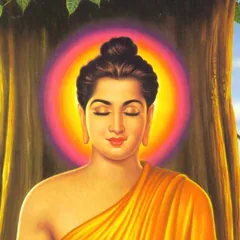
Founder of Buddhism and enlightened sage.
The founder of Buddhism, he attained enlightenment under the Bodhi tree and spent his life teaching the path to liberation from suffering. His teachings, known as the Dharma, outline the Four Noble Truths and the Eightfold Path as a guide to achieving Nirvana. Emphasizing mindfulness, ethical conduct, and wisdom, his philosophy advocates for a Middle Way between self-indulgence and self-mortification. His profound influence continues to shape spiritual practice and ethical conduct across various cultures.
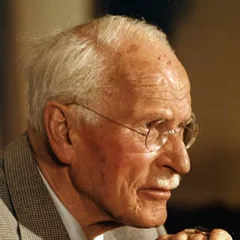
Founder of Jungian psychology.
A pioneering Swiss psychiatrist and psychoanalyst who founded analytical psychology. He introduced concepts such as the collective unconscious, archetypes, and synchronicity, which have had a profound impact on psychology, philosophy, and spirituality. Jung's exploration of the human psyche included the study of dreams, myths, and symbols, emphasizing the importance of integrating the shadow self and understanding the deeper aspects of human nature for psychological growth and self-awareness.
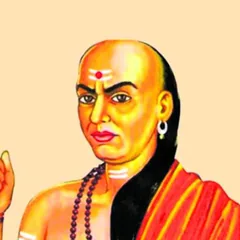
Indian strategist and philosopher.
An ancient Indian teacher, philosopher, economist, and royal advisor, Chanakya is best known for his work Arthashastra, which offers insights into governance, economics, and military strategy. His teachings on leadership, statecraft, and the importance of ethics have influenced Indian political thought for centuries. His principles of wisdom, cunning, and pragmatism continue to resonate with leaders and thinkers worldwide, offering practical advice for modern life.

Tibetan Buddhist teacher.
A Tibetan Buddhist teacher who played a key role in bringing Buddhist teachings to the West. Known for his unconventional yet profound approach, he emphasized the importance of mindfulness, meditation, and compassionate action. He founded several institutions to promote Buddhist studies and arts. His teachings blend traditional wisdom with modern insights, offering a practical path to spiritual awakening.
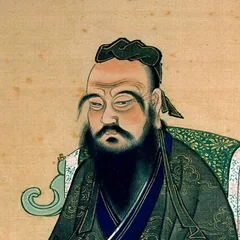
Chinese philosopher on ethics.
An influential Chinese philosopher and teacher, Confucius is best known for his teachings on ethics, family values, and social harmony. His philosophy stresses the importance of morality, proper conduct, and respect for tradition in shaping a just and orderly society. His emphasis on the cultivation of virtue in both rulers and citizens has had a profound and lasting impact on Chinese culture and philosophical thought for over two millennia.
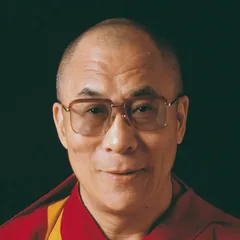
Tibetan leader advocating peace.
The spiritual leader of Tibetan Buddhism and a prominent advocate for peace, compassion, and nonviolence. As the 14th Dalai Lama, he has been a vocal proponent of human values, interfaith dialogue, and the pursuit of a more compassionate and harmonious world. His efforts in promoting Tibetan culture and autonomy, alongside his Nobel Peace Prize award in 1989, underscore his commitment to resolving conflicts through peaceful means and fostering mutual understanding among diverse communities.
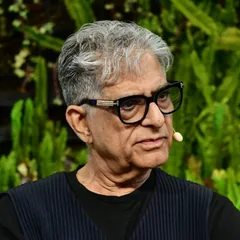
Author and speaker on spirituality.
A prominent figure in the fields of alternative medicine and spirituality, Chopra’s teachings combine modern science with ancient wisdom. He advocates for the power of the mind-body connection, meditation, and mindfulness to achieve healing and well-being. Through his books, lectures, and online platforms, he continues to inspires to embrace a holistic approach to health, emphasizing the importance of self-awareness and consciousness in creating a balanced life.
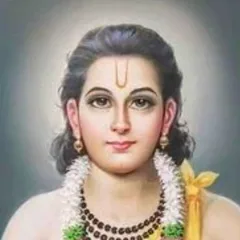
Indian saint and poet-philosopher.
A medieval poet-saint and philosopher whose works, especially his commentary on a revered ancient scripture, are among the most celebrated spiritual texts in Indian history. He sought to bridge the gap between philosophy and the lives of common people by writing in a vernacular language. His teachings emphasize universal love, the unity of all beings, and the direct realization of divine truth.
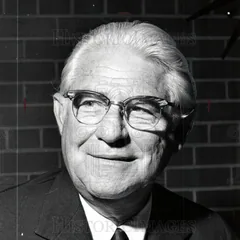
Author on self-image and transformation.
A pioneering figure in the field of self-image psychology, his work centered around the idea that changing one’s self-perception can lead to profound personal transformation. His bestselling book Psycho-Cyberneticsintroduced the concept of mental imagery as a tool for success and personal growth. His teachings have helped countless individuals improve their self-confidence, mindset, and overall quality of life by transforming their internal beliefs.
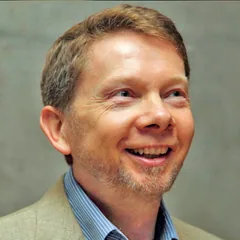
Author of "The Power of Now."
A contemporary spiritual teacher known for his writings on mindfulness and presence. His book "The Power of Now" has become a seminal work in modern spirituality, emphasizing the importance of living in the present moment and transcending the egoic mind. His teachings focus on the concept of presence as a gateway to inner peace and fulfillment, guiding individuals to experience a deeper connection to themselves and to reality beyond mental constructs.
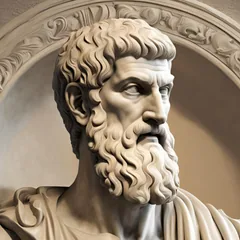
Ancient Greek philosopher.
An ancient Greek philosopher who founded a school emphasizing the pursuit of happiness through modest living, friendship, and freedom from fear. Contrary to later misconceptions, his teachings advocated for the absence of pain and the cultivation of inner tranquility rather than indulgent pleasure. His philosophy greatly influenced later ethical thought and concepts of well-being.
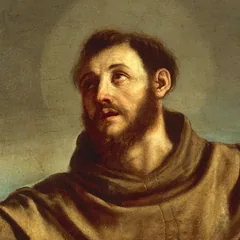
Franciscan friar who embraced radical poverty and compassion.
A wealthy merchant's son who dramatically renounced material comfort to embrace radical spiritual poverty and compassion. His profound love for nature, commitment to serving the marginalized, and creation of a new monastic order transformed Christian spirituality, emphasizing a direct, intimate connection with the divine through simplicity and unconditional love. Francis reimagined spiritual practice as a holistic experience of compassion, seeing the sacred in every living creature and challenging the hierarchical, often materialistic approach of the medieval Catholic Church.

American spiritual teacher.
A contemporary spiritual teacher known for her teachings on self-inquiry, awareness, and living in the present moment. She emphasizes that peace and fulfillment are already present within each individual and need only be recognized. Her dialogues invite seekers to look beyond their conditioned identities and discover their true, boundless nature. Her approach blends clarity with compassionate guidance.
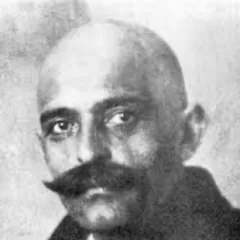
Mystic and spiritual teacher.
A spiritual teacher and mystic whose teachings focus on the development of self-awareness, personal transformation, and the attainment of higher consciousness. He emphasized the importance of breaking free from automatic behaviors and unconscious patterns to achieve true freedom and self-mastery. His teachings, often unconventional and challenging, have influenced spiritual seekers and intellectuals seeking a deeper understanding of the self and reality.
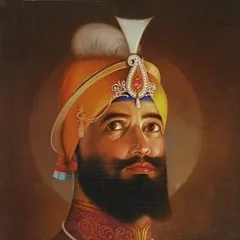
Tenth Sikh Guru, Khalsa founder.
The tenth Sikh Guru, he played a crucial role in shaping the Sikh community by founding the Khalsa, an order of initiated Sikh warriors. His leadership emphasized courage, discipline, and devotion to God, and he also contributed to Sikh theology, encouraging Sikhs to live with integrity, equality, and compassion. Guru Gobind Singh Ji's leadership united the Sikhs during a time of political and religious turmoil, and his teachings continue to influence Sikh spirituality and social justice today.
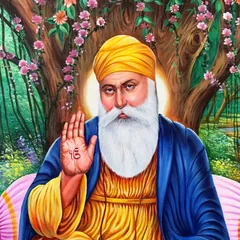
Founder of Sikhism and champion of spiritual equality.
Born into a rigid social hierarchy, he pioneered a spiritual revolution that challenged centuries of religious and social divisions in the Indian subcontinent. Through powerful poetry and radical teachings, he established Sikhism as a transformative path of equality, rejecting caste distinctions, gender inequalities, and religious exclusivism. His profound philosophy emphasized direct spiritual experience, selfless service, and the fundamental unity of all human beings, creating a spiritual movement that would reshape social dynamics and offer a powerful alternative to existing religious orthodoxies.
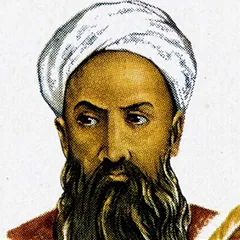
Persian mystical poet.
A Persian poet and Sufi mystic whose verses explore themes of divine love, the search for truth, and the soul’s longing for union with the Beloved. His work blends deep spirituality with lyrical beauty, encouraging readers to look beyond the physical world and connect with the divine presence within. His poetry continues to be a source of inspiration, celebrated for its ability to convey profound truths with grace, wit, and elegance.
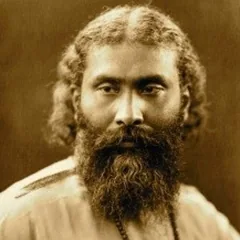
Sufi master and musician.
A Sufi teacher and musician who introduced Sufism to the Western world. His teachings emphasized the unity of all religions and the importance of love, harmony, and beauty as spiritual ideals. Through his writings and music, he sought to inspire individuals to experience the divine presence in everyday life and to transcend the limitations of the ego. His legacy continues to influence spiritual seekers, artists, and musicians worldwide.
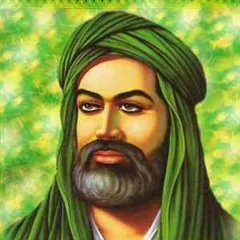
Islamic caliph and wise leader.
A central figure in Islam, he was known for his leadership, wisdom, and spiritual insights. As the fourth caliph and the cousin and son-in-law of the Prophet Muhammad, his life exemplified humility, justice, and integrity. His teachings emphasize the importance of ethical leadership, unity, and devotion to God. His philosophical and theological contributions continue to influence Islamic thought and inspire adherents worldwide in their spiritual journeys.
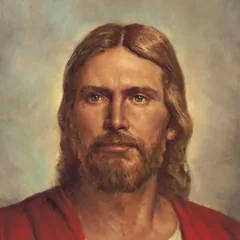
Main figure of Christianity and Son of God.
The central figure of Christianity, regarded as the Son of God and the Savior of humanity, is known for his teachings on love, compassion, forgiveness, and salvation. His message emphasized the importance of loving God and one's neighbor, advocating for peace and reconciliation. Through miracles and parables, he shared profound spiritual insights, calling people to live with humility and faith. His crucifixion and resurrection are seen as acts of redemption, shaping the moral and spiritual foundation of billions around the world.
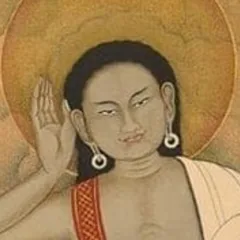
Tibetan yogi and poet.
A Tibetan yogi and poet who is considered one of the most important figures in Tibetan Buddhism. His life was marked by profound transformation, from a troubled youth to a realized master. Known for his deep meditation practices and mystical poetry, he emphasized the importance of renunciation, compassion, and meditation in achieving spiritual enlightenment. His teachings continue to inspire Tibetan Buddhists and spiritual seekers worldwide.
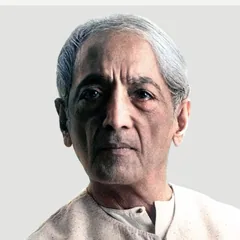
Philosopher and teacher of freedom.
A renowned philosopher and spiritual teacher, he rejected traditional religious systems and sought to awaken individuals to the importance of personal observation and self-inquiry. He encouraged people to question everything, including their beliefs, to achieve freedom from the constraints of the mind. His teachings focus on understanding the nature of thought and the liberation from psychological suffering, urging humanity to find peace within.
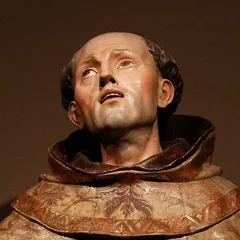
Christian mystic and poet.
A Spanish mystic, poet, and theologian renowned for his deep writings on the soul’s union with the divine. He described the transformative spiritual journey as one marked by trials, often called the "dark night of the soul." His poetry and prose highlight themes of love, surrender, and the purifying nature of suffering. His influence spans centuries, inspiring seekers of mysticism across various traditions.
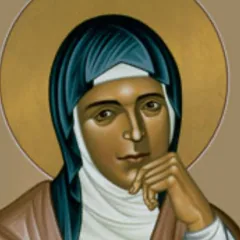
Christian mystic and writer.
A 14th-century English mystic and theologian known for her series of spiritual visions, which she later recorded in a groundbreaking work. Her writings emphasize God’s infinite love, compassion, and the eventual reconciliation of all things. Her optimistic theology, centered on divine goodness and hope, has made her an enduring figure in Christian mysticism.
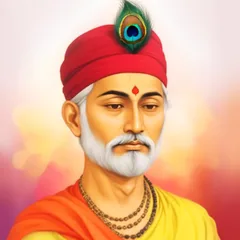
Influential mystic poet who bridged Hindu-Muslim spiritual traditions.
A low-caste weaver who became a revolutionary mystic poet, bridging Hindu and Muslim spiritual traditions through penetrating philosophical verses that cut through religious hypocrisy and social divisions. His raw, uncompromising poetry challenged the rigid religious orthodoxies of his time, emphasizing direct spiritual experience over ritualistic practices. Kabir's teachings highlighted the fundamental unity of human experience, critiquing both Hindu and Muslim establishments while offering a profound, inclusive spiritual vision.
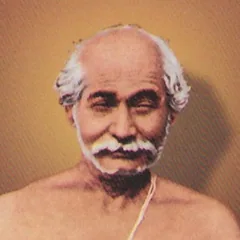
Master of Kriya Yoga.
A prominent figure in the lineage of Kriya Yoga, this individual is celebrated for revitalizing and spreading the ancient practice of Kriya Yoga in the modern era. Known for his simple and unassuming lifestyle, he was a householder who balanced his spiritual practices with everyday responsibilities. His teachings focus on the practical application of Kriya Yoga techniques to achieve inner peace, self-realization, and spiritual progress. Through his efforts, he made profound spiritual practices accessible to a broader audience, emphasizing the importance of direct experience and personal connection with the divine.
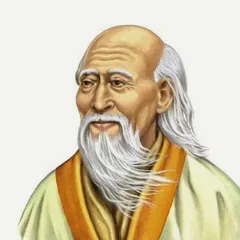
Founder of Taoism.
A legendary Chinese philosopher, credited with founding Taoism. His teachings, centered around the Tao Te Ching, advocate for living in harmony with the Tao, the universal flow of the universe. Emphasizing simplicity, humility, and non-action, his philosophy encourages individuals to align with the natural order, cultivating peace, balance, and compassion in both personal life and society. His wisdom continues to resonate with seekers of spiritual balance.
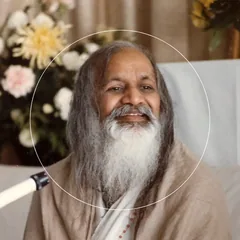
Founder of Transcendental Meditation movement.
An influential Indian spiritual leader who gained global prominence in the 1960s and 1970s by introducing a simplified meditation technique designed to reduce stress and promote inner peace. He established a worldwide organization that brought Eastern spiritual practices to Western audiences, attracting numerous celebrities and establishing meditation centers across continents. His approach emphasized personal transformation through daily meditation, scientific research into consciousness, and the potential for individual and collective peace through spiritual practice.
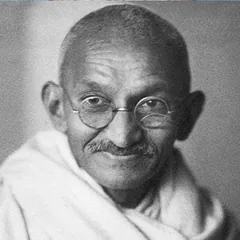
Leader of India's non-violent movement.
Known for his leadership in the Indian independence movement, he championed nonviolent resistance as a powerful tool for social and political change. His philosophy of Satyagraha, or passive resistance, emphasized truth and nonviolence as foundational principles. His efforts and moral integrity inspired many around the world and led to India's eventual independence from British rule in 1947. His legacy extends beyond politics into the realms of civil rights and social justice, with his methods influencing global movements for equality and freedom.
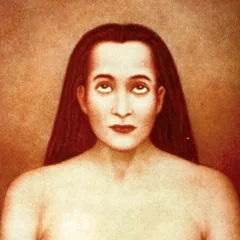
Eternal yogi, master of Kriya Yoga
Known for his timeless wisdom and profound spiritual insights, this revered figure is often depicted as an ageless yogi who resides in the Himalayas. His teachings emphasize the importance of meditation, self-realization, and the eternal nature of the soul. With a deep understanding of ancient spiritual practices, he is believed to have attained an elevated state of consciousness that transcends the physical realm. This revered teacher's influence extends beyond time, inspiring countless spiritual seekers to explore the depths of their own consciousness and pursue a path of self-discovery and enlightenment. His presence is often associated with miraculous occurrences and divine guidance, serving as a beacon for those seeking spiritual awakening and personal transformation.
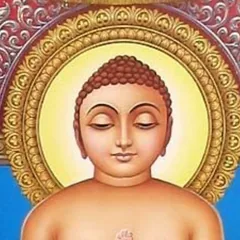
Jain spiritual teacher.
An ancient Indian spiritual teacher and the 24th Tirthankara in Jainism. He is revered for his teachings on non-violence (Ahimsa), truth, and asceticism, advocating for a life of simplicity, compassion, and spiritual purity. His philosophy emphasizes the importance of self-discipline and the path to liberation through right conduct, right knowledge, and right belief. His teachings continue to inspires of Jains and others seeking a non-violent path to peace.
Jewish philosopher and scholar.
A medieval philosopher, physician, and legal scholar whose writings sought to harmonize religious tradition with reason and philosophy. His most influential work explores profound questions about God, ethics, and the nature of existence. He profoundly impacted both Jewish thought and broader philosophical traditions by advocating rational inquiry alongside religious devotion.
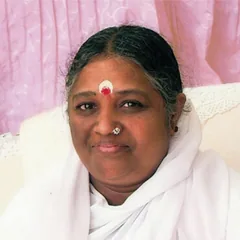
Humanitarian known as Amma.
Widely known as Amma, she is a revered spiritual leader and humanitarian who offers solace through her practices of hugging and charitable work. Her teachings emphasize compassion, selfless service, and the importance of spiritual realization. Amma's global outreach includes extensive social and charitable initiatives, focusing on education, healthcare, and disaster relief, reflecting her commitment to alleviating suffering and promoting human values.
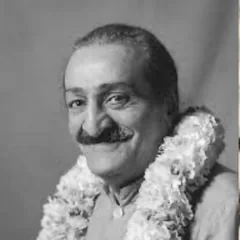
Indian spiritual master who maintained silence for decades.
An extraordinary spiritual master who maintained intentional silence for over four decades while communicating profound philosophical insights through innovative means. Claiming to be a divine avatar, he developed unique approaches to spiritual awakening that transcended traditional religious boundaries, worked extensively with diverse communities, and spread a message of universal love and consciousness. His unconventional methods and deep spiritual teachings attracted followers from around the world, challenging conventional understandings of spiritual transmission.
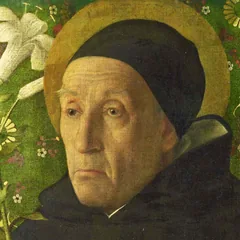
Christian mystic and theologian.
A medieval German mystic and theologian known for his deep reflections on the nature of God, being, and the soul. He taught that the divine essence resides within each person and can be directly realized through detachment and inner stillness. His sermons and writings, though controversial in his time, have since inspired seekers of spiritual truth and influenced modern contemplative practices.
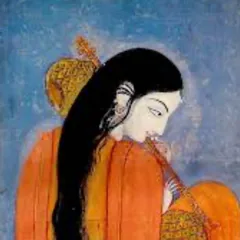
Devotional poet dedicated to Krishna.
A 16th-century devotional poetess and saint from India, known for her unwavering love for Krishna. Her compositions, which are filled with expressions of longing and devotion, challenge societal norms by emphasizing the personal and transformative power of love and devotion to God. Mirabai’s spiritual practices were deeply influenced by her belief in the divine presence in all things, and her works continue to inspire devotees worldwide in their devotion to Krishna.
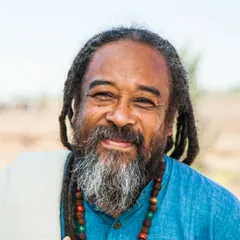
Teacher of self-inquiry.
A modern spiritual teacher who emphasizes the practice of self-inquiry and meditation to realize the true nature of the self. He teaches that through deep introspection and surrender, one can discover inner peace and live from a place of pure awareness. His teachings are inspired by Advaita Vedanta and offer profound wisdom on letting go of egoic attachments, allowing the experience of oneness with all existence and the divine.
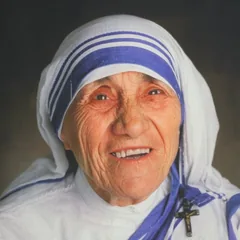
Catholic nun dedicated to serving the poor in Calcutta.
A renowned humanitarian known for her unwavering dedication to helping the poorest and most vulnerable, she devoted her life to serving those in dire need. As the founder of a charitable organization, she focused on providing care to the sick, orphaned, and dying, often in the most challenging circumstances. Her compassion, humility, and tireless work earned her global admiration, leaving a lasting legacy of kindness and selfless service to humanity.
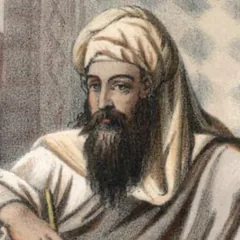
Prophet of Islam who founded a global religious movement.
An orphaned merchant who became a transformative spiritual and social leader, unifying fragmented Arabian tribes through a comprehensive philosophical and ethical framework. His revelations created a sophisticated theological system that addressed social justice, economic equity, and spiritual practice, reshaping the cultural and spiritual landscape of an entire region. Beyond religious doctrine, he established unprecedented social reforms, elevating the status of women, protecting the rights of the marginalized, and creating a blueprint for a just and compassionate society.
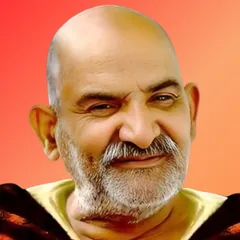
Love all, serve all, remember God.
A revered Indian saint known for his profound simplicity and deep wisdom, Neem Karoli Baba emphasized love, compassion, and selfless service as paths to spiritual awakening. His teachings guided followers to transcend the ego and engage in acts of kindness, fostering personal and spiritual growth. His global influence is evident, impacting prominent figures such as Steve Jobs (Apple founder) and Mark Zuckerberg (Facebook founder). Neem Karoli Baba’s legacy includes the establishment of ashrams and charitable organizations dedicated to his mission of service and spiritual development. His message of unconditional love and compassion continues to inspire individuals and communities worldwide, integrating spirituality with everyday life and contributing positively to society.
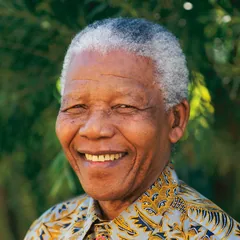
Anti-apartheid leader and president.
A key figure in the struggle against apartheid in South Africa, his leadership and commitment to justice, equality, and reconciliation were instrumental in dismantling the racially discriminatory system. Imprisoned for 27 years, his eventual release and subsequent presidency marked a new era for South Africa. Mandela's emphasis on forgiveness and nation-building has made him a global symbol of resilience, leadership, and the power of reconciliation in the face of profound adversity.
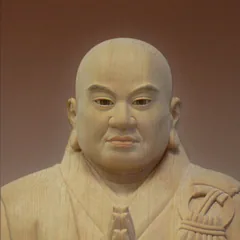
Japanese Buddhist monk.
A Japanese Buddhist monk who established the Nichiren school of Buddhism. He advocated for the chanting of the mantra "Nam Myōhō Renge Kyō" as a means to attain enlightenment and bring about positive transformation in society. His teachings emphasized the importance of faith, devotion, and the ability of individuals to create peace and harmony in the world through spiritual practice and the proper understanding of Buddhist teachings.
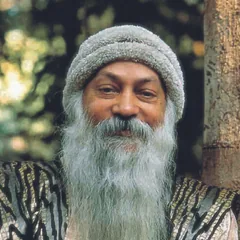
Controversial spiritual teacher.
A controversial spiritual teacher who established a large commune in Oregon, USA, known for its dynamic meditation techniques and unconventional views on spirituality, sexuality, and social norms. His teachings often challenged traditional beliefs and emphasized the importance of individual freedom and self-expression. Despite facing legal and ethical issues, he attracted a large following and made a significant impact on contemporary spirituality. His approach combined elements of Eastern mysticism with a modern, often provocative, perspective on personal and spiritual growth.
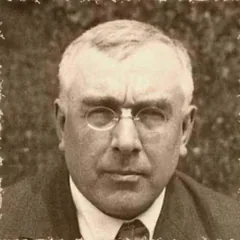
Russian philosopher, Fourth Way teacher.
A Russian philosopher and mystic, he is best known for his writings on the Fourth Way, a spiritual and philosophical system developed by Georges Ivanovich Gurdjieff. Ouspensky’s work explores deep questions of consciousness, time, and human potential, blending Western philosophy with Eastern mystical teachings. He introduced concepts such as self-development, the need for conscious effort in spiritual practice, and the idea of higher states of awareness through disciplined thought and action.
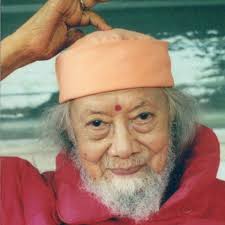
Master of Kriya Yoga.
Revered for his profound spiritual wisdom and dedication to the path of self-realization, this individual is celebrated for his contributions to the teachings of Kriya Yoga and his emphasis on direct spiritual experience. His life and teachings are characterized by a deep commitment to personal transformation and the realization of one's true nature. He has been instrumental in guiding individuals towards a deeper understanding of the self and the divine through rigorous practice and self-discipline. His legacy includes not only the teachings of Kriya Yoga but also a broader message of spiritual awakening and inner peace, inspiring many to pursue a path of dedicated practice and self-discovery.
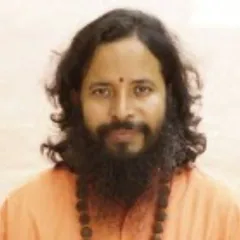
Master of Kriya Yoga.
This revered spiritual teacher is known for his emphasis on the practical application of spiritual principles and his dedication to the path of self-realization. His teachings often focus on integrating ancient spiritual wisdom with contemporary practices, making profound spiritual concepts accessible and relevant to modern seekers. Through his guidance, many have explored deeper dimensions of their own consciousness and achieved greater clarity and fulfillment in their spiritual journey. His approach is marked by a commitment to personal growth and a deep understanding of the transformative power of spiritual practices, inspiring individuals to pursue a path of inner harmony and self-discovery.
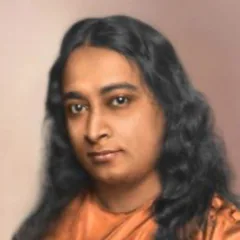
Kriya Yoga master, spiritual teacher.
An influential spiritual teacher who introduced Kriya Yoga to the Western world. Known for his book, "Autobiography of a Yogi," he emphasized the unity of all religions and the potential for personal spiritual realization. His teachings blend Eastern philosophies with practical spiritual techniques aimed at achieving inner peace and self-realization. He founded the Self-Realization Fellowship to disseminate his teachings and promote a universal approach to spirituality. His legacy includes a significant impact on the Western understanding of meditation and spiritual practices.
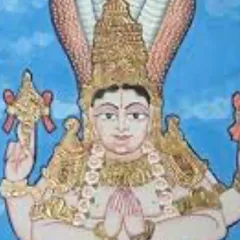
Sage and author of Yoga Sutras.
An ancient sage traditionally credited with compiling the Yoga Sutras, a foundational text of classical Yoga philosophy. The Yoga Sutras outline the principles of yoga practice, including ethical conduct, meditation, and the attainment of spiritual insight. Patanjali’s work has been central to the development of various schools of Yoga and continues to be a key reference for understanding the philosophy and practice of Yoga.
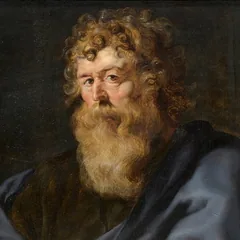
Christian apostle and missionary.
One of the most influential early Christian missionaries and writers, he played a key role in spreading Christianity throughout the Roman Empire. His letters, known as the Epistles, form a significant part of the New Testament and offer guidance on living a Christian life, focusing on themes of grace, salvation, and the relationship between Christ and believers. His missionary work and theological writings have shaped Christian doctrine throughout history.
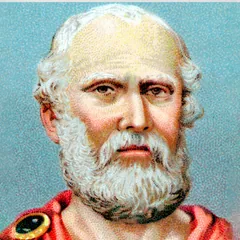
Greek philosopher.
One of the most influential philosophers in history, he founded the first institution of higher learning in the Western world. His dialogues, featuring his mentor Socrates, explore profound questions about justice, virtue, the soul, and the nature of reality. He proposed the theory of ideal forms, influencing philosophical thought on metaphysics, ethics, and political theory for millennia.
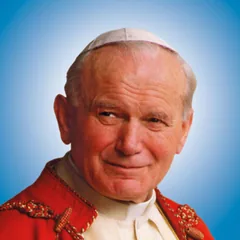
Influential Catholic leader.
A highly influential leader of the Catholic Church known for his efforts to improve interfaith relations, address social justice issues, and advocate for human rights. His papacy, one of the longest in history, was marked by numerous international travels and engagements with various world leaders. He played a significant role in the fall of communism in Eastern Europe and was instrumental in the development of the Church’s teachings on various contemporary issues. His impact on both the Catholic Church and global politics remains profound.
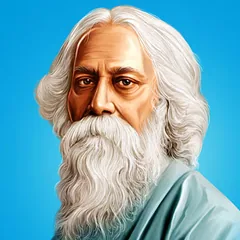
Indian poet and Nobel laureate.
An Indian poet, philosopher, and artist, he is best known for his literary contributions and for being the first non-European to win the Nobel Prize in Literature. His works reflect deep humanism, exploring themes of love, freedom, and spirituality. Tagore's poetry and songs have touched generations, conveying the interconnectedness of all beings and the importance of personal and collective spiritual awakening. His influence extends across cultures and continents.
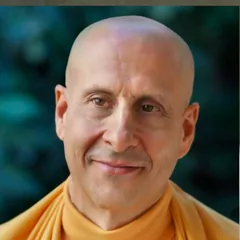
Spiritual leader and author.
An American-born spiritual teacher and monk who has dedicated his life to the study and practice of bhakti yoga. He emphasizes the importance of devotion, selfless service, and spiritual practice in daily life. Known for his deep understanding of Vedic scriptures and his compassion, he has helped spread the teachings of the ancient Indian tradition of devotion to Krishna, touching the hearts of people worldwide with his wisdom and humility.
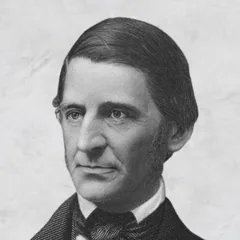
American essayist and poet.
An American essayist, philosopher, and poet, Emerson was a leading figure in the transcendentalist movement, advocating for the inherent goodness of people and nature. He emphasized individualism, self-reliance, and the importance of spiritual intuition over formal religion. His essays and lectures challenged societal norms and encouraged individuals to trust their inner wisdom, promoting the idea that personal insight leads to higher consciousness.
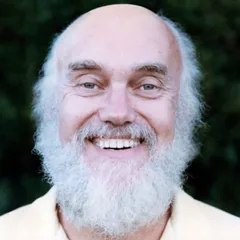
Author of "Be Here Now."
An American spiritual teacher and author known for his book "Be Here Now," which became a seminal text in the exploration of Eastern spirituality in the West. His teachings integrate elements of Hinduism, Buddhism, and Western psychology, emphasizing the importance of living in the present moment and the transformative power of love and compassion. Ram Dass’s work has influenced many in their journey towards personal and spiritual growth.
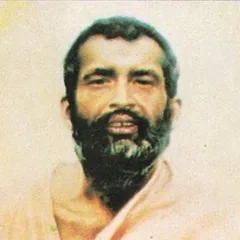
Mystic of the Bengali Renaissance.
A revered 19th-century Indian mystic whose teachings emphasized the universality of all religions and the path to experiencing God through intense devotion and surrender. His life and teachings demonstrate a deep spiritual experience and the importance of personal divine realization. His influence led to the establishment of the Ramakrishna Order, which continues to promote his ideals of spiritual unity and social service.
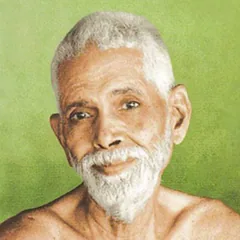
Sage of self-enquiry teachings.
A highly respected Indian sage known for his teachings on self-enquiry and the nature of the self. His method of self-inquiry, particularly the question "Who am I?", encourages individuals to look beyond the ego and discover their true essence. His teachings emphasize the importance of inner silence and the realization of the self as the ultimate reality, guiding seekers towards profound self-awareness and spiritual liberation.
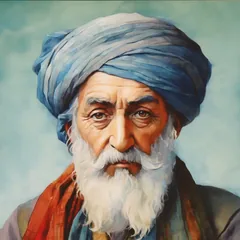
Persian poet and mystic.
A Persian poet and mystic whose verses transcend boundaries, delving deep into love, divine connection, and self-awareness. His works are filled with symbolic language that explores the human soul's longing for union with the divine, emphasizing the importance of love as a path to enlightenment and inner peace. His legacy continues to inspire countless individuals seeking spiritual awakening through his profound teachings.
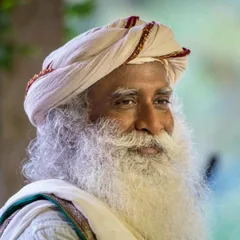
Modern mystic and founder of the Isha Foundation.
A contemporary spiritual teacher whose innovative methods and pragmatic approach to spirituality have toucheds worldwide. As the founder of the Isha Foundation, he has created transformative programs aimed at enhancing physical, mental, and spiritual well-being. His teachings emphasize inner engineering, self-awareness, and the ability to navigate life with grace and balance. A visionary thinker and environmental advocate, he bridges ancient wisdom with modern challenges, empowering individuals to achieve holistic growth and inner transformation.
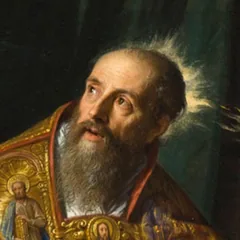
Christian theologian.
A Christian theologian and philosopher whose writings have had a profound influence on Western Christianity and philosophy. His works, particularly his "Confessions" and "The City of God," address themes such as grace, free will, and the nature of God. His spiritual journey from a life of excess to one of deep faith and devotion serves as an inspiring example of personal transformation, shaping Christian thought for centuries.
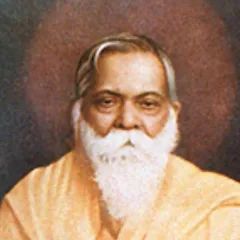
Master of Kriya Yoga.
This influential spiritual teacher is recognized for his deep commitment to the path of self-realization and his role in guiding individuals towards spiritual awakening. His teachings often revolve around the principles of inner harmony, self-discipline, and the pursuit of higher consciousness. Emphasizing the importance of meditation and personal spiritual practice, he has inspired many to embark on a journey of self-discovery and personal growth. His approach to spirituality is marked by a blend of traditional wisdom and contemporary relevance, making his teachings accessible and impactful for a wide audience.
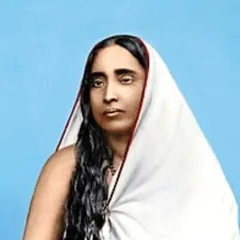
Devoted partner of Ramakrishna.
The holy wife of the renowned Indian saint Ramakrishna, she is revered as a spiritual teacher in her own right. Known for her humility, compassion, and profound wisdom, she played a key role in the spiritual and organizational growth of the Ramakrishna Order. Her teachings emphasized the importance of inner purity, devotion to God, and service to humanity, offering timeless guidance for those seeking spiritual growth through selfless action.
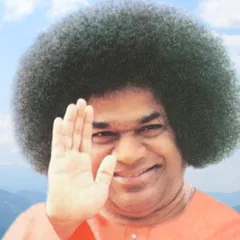
Guru known for teachings on love.
An Indian spiritual leader known for his teachings on universal love, selfless service, and the unity of all religions. His followers believe in his miraculous powers and his messages of personal transformation and divine love. His work included establishing educational and medical institutions to support the needy, and his teachings continue to inspire those seeking spiritual growth and community service.
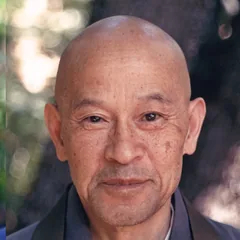
Zen master and author of Zen Mind.
A Japanese Zen master who was instrumental in bringing Zen Buddhism to the United States. His teachings, encapsulated in his book "Zen Mind, Beginner's Mind," emphasize the importance of maintaining a beginner's mind and the practice of zazen (sitting meditation). His approach to Zen practice stresses simplicity, mindfulness, and the direct experience of reality, making Zen teachings accessible and relevant to modern practitioners.
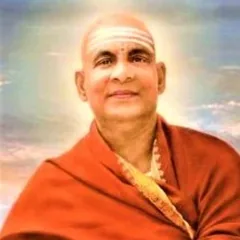
Yoga master and founder of Divine Life Society.
A renowned 20th-century Indian spiritual master who transformed from a medical doctor to a prolific yoga philosopher. He founded the Divine Life Society in Rishikesh, authored over 300 spiritual books, and developed a holistic approach to yoga integrating service, devotion, knowledge, and meditation. His teachings emphasized universal spirituality, transcending religious boundaries and promoting individual and collective transformation.

Greek philosopher and thinker.
A classical Greek philosopher credited as one of the founders of Western philosophy. Known for his Socratic method, he believed that the path to wisdom lies in asking probing questions and engaging in critical thinking. He championed the pursuit of truth, virtue, and the development of moral character. His dialogues, preserved by his students, continue to shape philosophical discourse, urging individuals to examine their lives and seek knowledge.
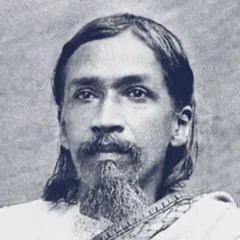
Indian philosopher and poet.
A prominent Indian philosopher and spiritual leader who developed Integral Yoga, which aims at the transformation of human nature into a divine consciousness. His writings explore the evolution of consciousness and the potential for a spiritual awakening that includes not just personal enlightenment but also the transformation of society. His work emphasizes the integration of spiritual practice with everyday life and the pursuit of a higher, evolutionary purpose.
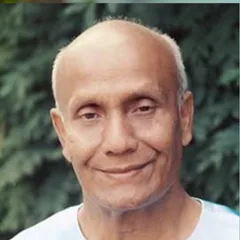
Spiritual leader and peace advocate.
An Indian spiritual teacher who emphasized the unity of all religions and the importance of inner peace through meditation. His teachings encouraged self-transcendence and devotion, guiding individuals to connect with their higher selves and the divine. A prolific author, poet, and musician, he was known for his deep compassion and for inspiring others to embrace love, joy, and the pursuit of spiritual realization in their everyday lives.
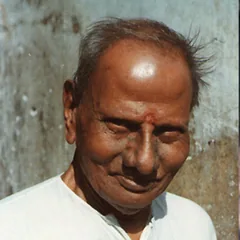
Renowned Advaita Vedanta teacher.
A prominent teacher of Advaita Vedanta who is best known for his teachings on non-duality and self-realization. His approach was direct and experiential, encouraging seekers to explore the nature of their own consciousness. His book, "I Am That," is a significant text in the study of Advaita Vedanta, offering profound insights into the nature of the self and reality. His teachings are valued for their simplicity and depth, guiding individuals toward understanding their true essence beyond the mind and ego.
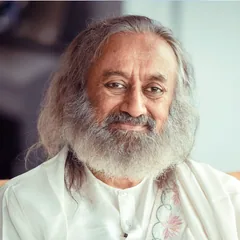
Founder of Art of Living Foundation.
A contemporary spiritual leader known for founding the Art of Living Foundation, which focuses on personal well-being and global peace through meditation and service. His teachings blend ancient wisdom with practical tools for stress relief, emotional balance, and humanitarian work. He emphasizes the importance of spirituality in daily life and has been a proponent of interfaith dialogue and social initiatives aimed at fostering global harmony.
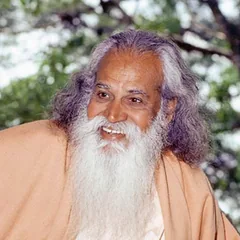
Yogi and founder of Integral Yoga.
An influential Indian yoga master and spiritual teacher, he is best known for his teachings on Integral Yoga, which emphasizes the harmony between physical, mental, and spiritual well-being. His compassionate approach to teaching yoga and meditation has inspired thousands to lead more balanced and conscious lives. He encouraged self-realization and the cultivation of inner peace, becoming a guiding light for seekers of truth around the world.
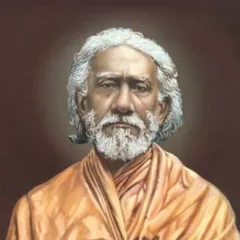
Master of Kriya Yoga.
A revered teacher in the Kriya Yoga tradition, known for his relationship with Paramahansa Yogananda and his role in imparting the teachings of Kriya Yoga. His book "The Holy Science" presents a synthesis of Eastern and Western spiritual knowledge, emphasizing the unity of all religious paths and the importance of spiritual practice for self-realization. His teachings focus on the alignment of spiritual and scientific understanding for personal growth.
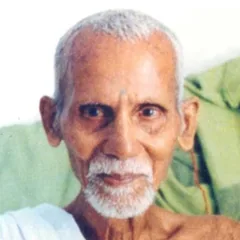
Indian spiritual teacher.
A revered spiritual teacher from South India who embodied non-dual wisdom, he emphasized direct experience over intellectual study. His teachings, rooted in the philosophy of Advaita Vedanta, often focused on self-inquiry and silent contemplation. His discourses and practical guidance helped many seekers awaken to the essence of pure awareness and inner peace. He is remembered for his simplicity, humility, and profound insight.
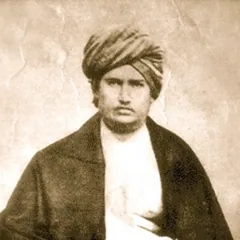
Indian reformer, Arya Samaj founder.
An Indian philosopher and social reformer, he founded the Arya Samaj, a movement aimed at promoting Vedic knowledge, social equality, and a reformed Hindu society. He advocated for the removal of caste-based discrimination, idol worship, and other social ills, emphasizing the importance of education and the belief in one God. Swami Dayananda Saraswati’s contributions to the Indian Renaissance included encouraging women's rights, promoting scientific thinking, and reviving the study of the ancient Vedas as a way to promote truth and morality.
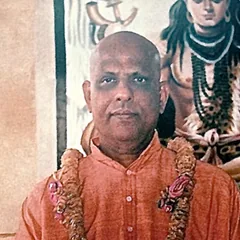
Indian yogi and spiritual teacher.
An Indian yogi renowned for his profound teachings on self-realization and holistic health. He advocated for the integration of spiritual practices with physical and mental wellness. His guidance emphasizes the importance of meditation, yoga, and prayer in achieving spiritual awakening and inner peace. A beacon of compassion, he inspired many on their spiritual paths, offering practical wisdom for living a balanced and enlightened life.
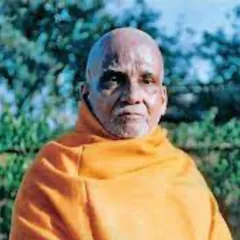
Sivananda's disciple, Vedanta teacher.
A prominent disciple of Swami Sivananda, he was known for his deep understanding of Vedanta, yoga, and spirituality. Swami Krishnananda Saraswati dedicated his life to the service of humanity and the spread of spiritual knowledge. He was a prolific writer, producing numerous works on philosophy and Vedantic teachings, often focused on the importance of self-realization and inner peace. His teachings emphasized the practical application of spiritual principles in everyday life, helping people integrate spirituality with worldly responsibilities.
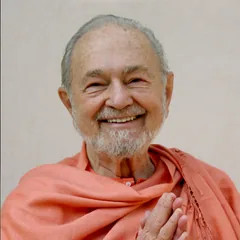
Yogananda's disciple, Ananda founder.
An American disciple of Paramahansa Yogananda, he was a spiritual teacher and the founder of the Ananda communities. He dedicated his life to spreading the teachings of Kriya Yoga, emphasizing the importance of meditation and spiritual practice as paths to self-realization. He wrote extensively on spirituality and yoga, offering guidance on how to live a balanced, purposeful life that integrates spiritual practice with everyday activities. Through his leadership, Ananda became a global center for spiritual learning and service.
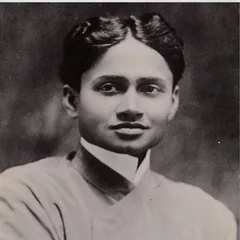
Indian monk and poet.
A spiritual teacher and poet known for bringing Eastern teachings to a global audience. He emphasized inner peace, selfless service, and meditation as paths to enlightenment. His writings, often expressed in lyrical and contemplative language, inspire seekers to cultivate both spiritual wisdom and compassion in daily life. He remains respected for his synthesis of devotion and universal philosophy.
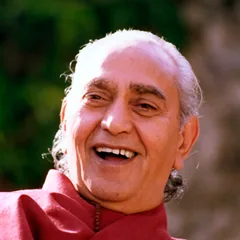
Himalayan yogi known for integrating science and spirituality.
A revered yogi from the Himalayan tradition who bridged the gap between ancient spiritual practices and modern scientific understanding. Through rigorous self-discipline and advanced yogic techniques, he demonstrated the profound interconnectedness of body, mind, and spirit. His teachings emphasized the practical application of spiritual wisdom to everyday life, inspiring seekers to balance inner peace with scientific inquiry. By bringing esoteric practices into the realm of scientific study, he became a pioneer in uniting the wisdom of the East with the analytical rigor of the West.
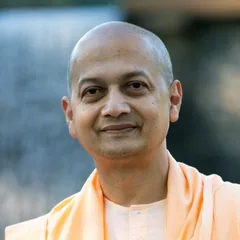
Vedanta monk renowned for his clear teachings on non-duality.
A contemporary monk and scholar whose eloquent explanations of Advaita Vedanta have captivated global audiences. With a profound understanding of non-duality, he presents ancient truths with clarity and relevance, making them accessible to modern seekers. His teachings focus on realizing the oneness of existence and the illusory nature of duality, encouraging self-inquiry and inner awakening. A charismatic speaker and compassionate teacher, he continues to inspire individuals on the path to self-realization and inner freedom.
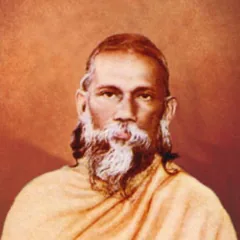
Master of Kriya Yoga.
An esteemed spiritual leader known for his contributions to the understanding and practice of yogic traditions, this individual has had a significant impact on the dissemination of spiritual knowledge. His teachings encompass a broad spectrum of yogic disciplines, including meditation, mantra, and philosophical inquiry. He is recognized for his ability to articulate complex spiritual concepts in a manner that is both comprehensible and practical. His work has inspired many to explore the depths of their own spiritual potential and integrate these practices into their daily lives.
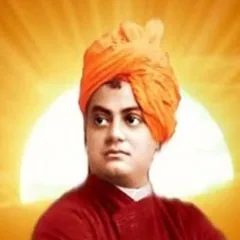
Prominent Indian spiritual leader.
A key figure in the introduction of Indian philosophies to the Western world. He is renowned for his speeches at the Parliament of the World's Religions in 1893, where he spoke on the universality of spirituality and the importance of religious tolerance. His teachings emphasized the need for personal spiritual development and the idea of serving humanity as a form of worship. He played a crucial role in the revival of Hinduism and the promotion of Vedanta philosophy globally. His work inspired many to explore spiritual and philosophical thought.
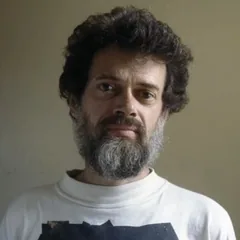
Ethnobotanist and mystic.
A 20th-century ethnobotanist and philosopher who explored the frontiers of human consciousness through plant-based psychedelics. He discussed shamanism, altered states of mind, and the role of visionary experiences in shaping culture. His lectures and writings encourage embracing mystery, creativity, and expanded perception to navigate modern life’s complexities and reconnect with nature.

Spanish mystic and reformer.
A Spanish mystic, theologian, and reformer of the Carmelite order, she is known for her deep spiritual insights and writings on contemplative prayer and the nature of divine union. Her work emphasizes the importance of inner silence and the cultivation of a direct, personal relationship with God. Her teachings on mystical experience and inner transformation continue to inspire seekers of spiritual depth across many traditions.
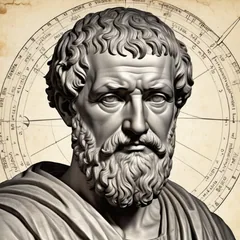
Pre-Socratic philosopher.
Regarded as the first philosopher in the Western tradition, he sought to explain natural phenomena without resorting to mythology. He proposed that water was the fundamental substance of the universe and pioneered early ideas in geometry and astronomy. His inquiries laid the groundwork for scientific thought and rational philosophy, marking a significant shift in human understanding of the world.

Catholic saint and mystic.
A French Catholic saint known for her doctrine of the "Little Way," which teaches that small acts of love and humility can lead to holiness. She believed that spiritual greatness could be achieved by doing ordinary things with extraordinary love. Her autobiography became a spiritual classic, inspiring countless readers with its simplicity and depth. She remains a symbol of devotion and childlike faith.
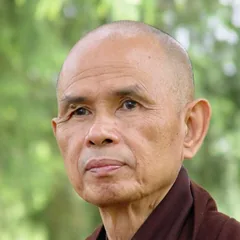
Vietnamese monk and mindfulness teacher.
A Vietnamese Buddhist monk, teacher, and peace activist who popularized the practice of mindfulness in the West. His teachings emphasize the importance of living fully in the present moment, cultivating compassion, and finding peace amidst the chaos of daily life. Through his writings and retreats, he has inspireds to embrace mindfulness as a path to healing and spiritual awakening, encouraging individuals to live with awareness and kindness.
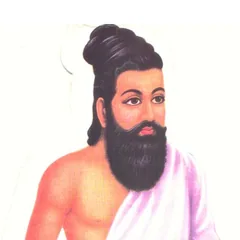
Tamil poet and philosopher.
A Tamil poet and philosopher whose work, the Tirukkural, consists of 1,330 couplets that provide ethical guidance on topics such as love, marriage, governance, and virtue. His teachings emphasize the importance of living a righteous life, practicing compassion, and maintaining a strong moral character. His timeless wisdom has shaped the cultural and philosophical landscape of Tamil Nadu and beyond, offering profound insights on how to live a meaningful life.
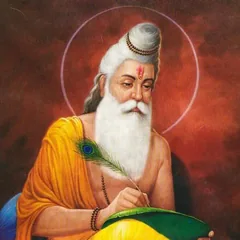
Author of the Ramayana.
An ancient Indian sage, he is the author of the Ramayana, one of the two major Sanskrit epics of ancient India. This epic not only tells the story of Prince Rama's quest to rescue his wife, Sita, but also offers profound moral and philosophical lessons on the nature of dharma (righteousness), devotion, and good governance. His contributions have shaped Indian culture and spirituality, offering timeless wisdom for personal and societal harmony.
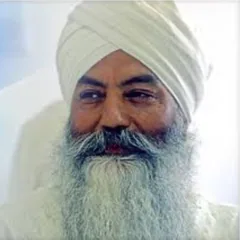
Kundalini yoga teacher.
A modern spiritual teacher who introduced a unique form of yoga to the West, combining physical postures, meditation, and breathing techniques. He advocated for healthy living, personal discipline, and spiritual awakening in everyday life. His teachings have influenced holistic wellness practices and inspired a wide following among those seeking physical vitality and spiritual balance.
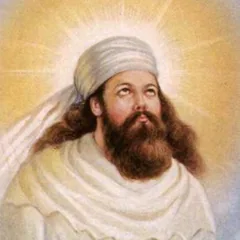
Founder of Zoroastrianism.
The ancient Persian prophet who founded Zoroastrianism, one of the world's oldest monotheistic religions. His teachings center on the worship of Ahura Mazda, the supreme god, and emphasize the principles of truth, good thoughts, and good deeds. Zoroaster's influence extended beyond his time, impacting the religious landscapes of Persia, India, and other regions, and his legacy remains a significant part of spiritual and philosophical history.