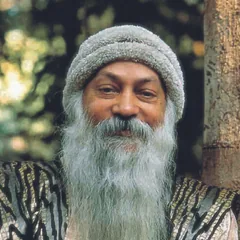
Osho (Rajneesh)
Osho (Rajneesh) Quotes about Nature
Nature has come to a point where now, unless you take individual responsibility, you cannot grow. More than this nature cannot do. It has done enough. It has given you life, it has given you opportunity; now how to use it, it has left up to you. Meditation is your freedom, not a biological necessity. You can learn in a certain period of time every day to strengthen meditation, to make it stronger - but carry the flavor of it the whole day.
The perfectionist is bound to be a neurotic, he cannot enjoy life, until he is perfect. And perfection as such never happens, it is not in the nature of things. Totality is possible, perfection is not possible.
Between two thoughts try to be alert; look into the interval, the space in between. You will see no mind; that is your nature. For thoughts come and go - they are accidental - but that inner space always remains. Clouds gather and go, disappear - they are accidental - but the sky remains. You are the sky.
If you are happy, you are happy; nobody asks you why you are happy. Yes, if you are miserable, a question is relevant. If you are miserable, somebody can ask why you are miserable, and the question is relevant - because misery is against nature, something wrong is happening. When you are happy, nobody asks you why you are happy, except for a few neurotics. There are such people; I cannot deny the possibility.
Never follow anybody else’s idea - that is very dangerous because you will become imitative. Always follow your own nature, self-nature; only then will you attain to freedom. It is better to die following one’s nature than to live following somebody else’s nature, because that will be a pseudo life. To die following one’s nature is beautiful, because that death too will be authentic.