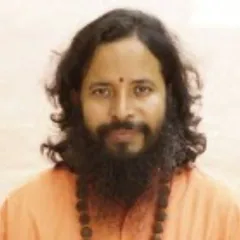
This revered spiritual teacher is known for his emphasis on the practical application of spiritual principles and his dedication to the path of self-realization. His teachings often focus on integrating ancient spiritual wisdom with contemporary practices, making profound spiritual concepts accessible and relevant to modern seekers. Through his guidance, many have explored deeper dimensions of their own consciousness and achieved greater clarity and fulfillment in their spiritual journey. His approach is marked by a commitment to personal growth and a deep understanding of the transformative power of spiritual practices, inspiring individuals to pursue a path of inner harmony and self-discovery.
Suppose we ate a delicious dessert last night, like payasam (a marvelous Indian dessert made of milk, rice, and sugar). Because it was so tasty and nice, we were very happy. But if we had been served a bland dish without any sugar or spices, we would not have found it so delicious and we would not have been happy. The jnani, however, is happy no matter how it tastes. A jnani is not concerned with the taste of food. The jnani eats something, and he is neither happy nor unhappy. That is the difference. In our case, we experience everything according to our likes and dislikes, our doership; we are attached to the senses. The jnani has the same taste buds as we do, but without attachment to the taste.
Your meditation, your practice, is what will truly make Gurudev happy. Not money, not gifts—only your sincere spiritual practice.
We are decorated with the ornaments of endless desires. They are around our necks — my neck, everyone’s neck. However, these ornaments are not visible to ordinary people, only to the wise. We have decorated ourselves with a garland of endless desires mistakenly thinking that we would be happy if we had a nice house, a nice job, and nice clothes.