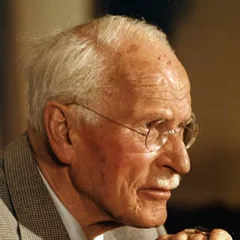
Carl Jung
Carl Jung Quotes about Understanding
We are so full of apprehensions, fears, that we don't know exactly to what it points... a great change of our psychoglogical attitude is imminent, that is certain...because we need more understanding of human nature because ...the only real danger that exists is man himself... and we know nothing of man - his psyche should be studied because we are the origin of all coming evil.
An inflated consciousness is always egocentric and conscious of nothing but its own existence. It is incapable of learning from the past, incapable of understanding contemporary events, and incapable of drawing right conclusions about the future. It is hypnotized by itself and therefore cannot be argued with. It inevitably dooms itself to calamities that must strike it dead.
We should not pretend to understand the world only by the intellect; we apprehend it just as much by feeling. Therefore, the judgment of the intellect is, at best, only the half of truth, and must, if it be honest, also come to an understanding of its inadequacy.
Anthropologists have often described what happens to a primitive society when its spiritual values are exposed to the impact of modern civilisation. Its people lose the meaning of their lives, their social organisation disintegrates, and they themselves morally decay. We are now in the same condition. But we have never really understood what we have lost, for our spiritual leaders unfortunately were more interested in protecting their institutions than in understanding the mystery that symbols present.