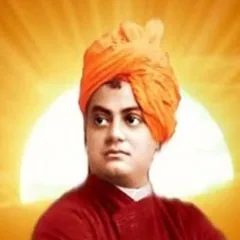
A key figure in the introduction of Indian philosophies to the Western world. He is renowned for his speeches at the Parliament of the World's Religions in 1893, where he spoke on the universality of spirituality and the importance of religious tolerance. His teachings emphasized the need for personal spiritual development and the idea of serving humanity as a form of worship. He played a crucial role in the revival of Hinduism and the promotion of Vedanta philosophy globally. His work inspired many to explore spiritual and philosophical thought.
Neither numbers nor powers nor wealth nor learning nor eloquence nor anything else will prevail, but purity, living the life, in one word, anubhuti, realisation. Let there be a dozen such lion-souls in each country, lions who have broken their own bonds, who have touched the Infinite, whose whole soul is gone to Brahman, who care neither for wealth nor power nor fame, and these will be enough to shake the world.
Where will you go to seek Brahman? He is immanent in all beings. Here, here is the visible Brahman! Shame on those who, neglecting the visible Brahman, set their minds on other things! Here is the visible Brahman before you as tangible as a fruit in one's hand! Can't you see? Here - here - is Brahman!
May He who is the Brahman of the Hindus, the Ahura-Mazda of the Zoroastrians, the Buddha of the Buddhists, the Jehovah of the Jews, the Father in Heaven of the Christians give strength to you to carry out your noble idea.