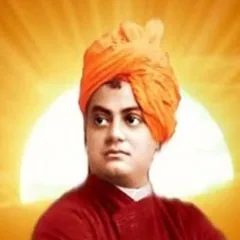
Swami Vivekananda
Swami Vivekananda Quotes about Sorrow
Avoid excessive merriment. A mind in that state never becomes calm; it becomes fickle. Excessive merriment will always be followed by sorrow. Tears and laughter are near kin. People so often run from one extreme to the other.
Strength, strength it is that we want so much in this life, for what we call sin and sorrow have all one cause, and that is our weakness. With weakness comes ignorance, and with ignorance comes misery.
Happiness presents itself to man, wearing the crown of sorrow on its head. He who welcomes it must also welcome sorrow.