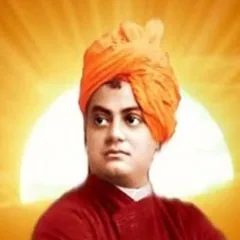
A key figure in the introduction of Indian philosophies to the Western world. He is renowned for his speeches at the Parliament of the World's Religions in 1893, where he spoke on the universality of spirituality and the importance of religious tolerance. His teachings emphasized the need for personal spiritual development and the idea of serving humanity as a form of worship. He played a crucial role in the revival of Hinduism and the promotion of Vedanta philosophy globally. His work inspired many to explore spiritual and philosophical thought.
You know your real nature [to be divine]. You are the king and play you are a beggar. . . . It is all fun. Know it and play. That is all there is to it. Then practice it. The whole universe is a vast play.
Man can think of divine things only in his own human way, to us the Absolute can be expressed only in our relative language.
I direct my attention to the individual, to make him strong, to teach him that he himself is divine, and I call upon men to make themselves conscious of this divinity within. That is really the ideal --conscious or unconscious --of every religion.
The Vedas teach that the soul is divine, only held in the bondage of matter; perfection will be reached when this bond will burst, and the word they use for it is, therefore, Mukti - freedom, freedom from the bonds of imperfection, freedom from death and misery.
Each man is divine. Each man that you see is a God by his very nature.