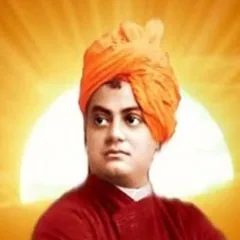
A key figure in the introduction of Indian philosophies to the Western world. He is renowned for his speeches at the Parliament of the World's Religions in 1893, where he spoke on the universality of spirituality and the importance of religious tolerance. His teachings emphasized the need for personal spiritual development and the idea of serving humanity as a form of worship. He played a crucial role in the revival of Hinduism and the promotion of Vedanta philosophy globally. His work inspired many to explore spiritual and philosophical thought.
Try a little harder, and meditation comes. You do not feel the body or anything else. When you come out of it after the hour, you have had the most beautiful rest you ever had in your life. That is the only way you ever give rest to your system. Not even the deepest sleep will give you such a rest as that.
To realize the spirit as spirit is practical religion. Everything else is good so far as it leads to this one grand idea. That realization is to be attained by renunciation, by meditation—renunciation of all the senses, cutting the knots, the chains that bind us down to matter.
The greatest help to spiritual life is meditation.
Meditation is a sort of prayer and prayer is meditation. The highest meditation is to think of nothing. If you can remain one moment without thought, great power will come.
Thought ceases in meditation; even the mind's elements are quite quiet. Blood circulation stops. His breath stops, but he is not dead.