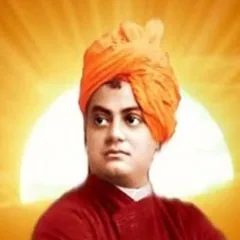
A key figure in the introduction of Indian philosophies to the Western world. He is renowned for his speeches at the Parliament of the World's Religions in 1893, where he spoke on the universality of spirituality and the importance of religious tolerance. His teachings emphasized the need for personal spiritual development and the idea of serving humanity as a form of worship. He played a crucial role in the revival of Hinduism and the promotion of Vedanta philosophy globally. His work inspired many to explore spiritual and philosophical thought.
We are responsible for what we are, and whatever we wish ourselves to be, we have the power to make ourselves. If what we are now has been the result of our own past actions, it certainly follows that whatever we wish to be in the future can be produced by our present actions; so we have to know how to act.
The present is determined by our past actions, and the future by the present.
To make a great future India, the whole secret lies in organization, accumulation of power, co-ordination of wills.